Data-Driven Direct Mail

Across industries - from charities to luxury estate agents effective direct mail (DM) hinges on one thing: the proper use of data. Data-driven direct mail with a properly selected target audience is fundamental to any successful marketing campaign; without it, results will almost certainly fall short of expectations.
In today’s complex marketing landscape, audience planning provides clarity, direction, and commercial focus. As the DMA states, ‘Audience planning is the backbone of modern marketing.’
Direct mail has a unique advantage when it comes to data-driven targeting. Campaigns can now be highly personalised, and with the rise of AI-driven tools, brands can deliver tailored messaging with the efficiency once associated with broad, generic approaches.
When planning data-driven direct mail with our clients, we explore several levels of data targeting to ensure budgets are used smartly and ROI is maximised.
Postcode targeting
This is the broadest method of data targeting and is built around audience profiling. We create a profile of your existing customers, then identify the most suitable postcodes across the UK where similar audiences are located.
Door Drop Mailing
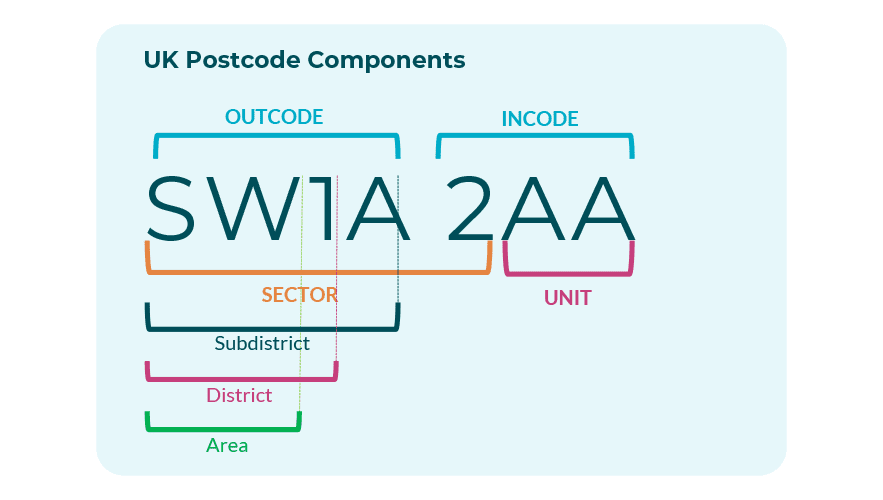
To reach your chosen postcode is through a Door drop. Door drop works on a postcode sector level, allowing you to target a range of postcode sectors from the 9,300 within the UK with each sector averaging approx. 3,000 addresses (Source: Royal Mail, Door to Door User Guide, 2023).
With this type of data targeting, you can personalise your messaging to specific areas to talk directly to the audience in the area. Door drop is also the least expensive data-driven mailing option, meaning budgets can be used smartly and ROI is maximised.
Partially addressed mail (PAM)
Partially addressed mail (PAM) is a more precise targeting method that reaches new customers without purchasing personal data. PAM enables you to mail to specific households without the recipient’s name. For example, the mail piece would have the full address and say, ‘Dear Householder’, or something more relevant like ‘For the pizza lover’, or ‘Dear pet owner’.
PAM means you can be even more data-driven and personal in your mailings.
To maximise data, we can gather lookalike data based on your key audience to target people with similar commonalities to those in your customer base. This can vary from the area you live in and your household income to your hobbies and interests and transactional history. Partially addressed data makes reaching cold audiences whilst complying with GDPR more accessible. Partially addressed data also comes with DM postage discounts when targeting over 10,000 households.
But does is work? PAM can increase audience reach by up to 30% compared to traditional direct mail, offering a 91% engagement rate and remaining in the home for an average of 7 days (Source: Whistl – Partially Addressed Mail (PAM))
Addressed mail
Fully addressed mail is the most personalised option.
With addressed mail, you can be hyper personalised throughout the mail piece, addressing the recipient directly, speaking to them in the first person throughout and providing specific information relevant to only them.
With addressed mail, this doesn’t mean just referring to them by name but pulling in different data points such as their most purchased item, pets name, or how much they have donated. Using data this way to drive personalisation will build on your audience’s relationship with the brand increasing loyalty and value of the customer.
Data can also be used in the creative design to make it specific to the recipient. This one-of a kind and relevant experiences for each consumer will increase a businesses’ ROI, and response rates by 135% (Source: Paper Planes – personalisation in direct mail).
Cold audiences can also be targeted using addressed mail. Similar to PAM, Dragonfly will work with data partners to look at your existing audience and understand their buying habits, spend, interests, preferences, and more. From this, we can identify a new audience you could target and purchase data this data to mail them directly.
This form of data purchasing is often the most expensive option, however the ability to hyper personalise and the high ROI can make the expense worthwhile.
Now what?
Data-driven direct mail is no longer just a nice-to-have. It is the difference between a campaign that works and one that gets ignored.
Whether you’re keeping costs low and using postcode targeting, reaching cold audiences with partially addressed mail, or delivering hyper-personalised experiences through fully addressed campaigns, the right data-driven strategy is the key to fully maximising the power of direct mail.
At Dragonfly, we work with clients to identify the right level of data targeting for their goals and budget, ensuring every campaign is set up to deliver the best results. Ready to make your next direct mail campaign work harder? Get in touch with the team today.